


In this guide
- Turlock climate & roof impact
- Building code & permits
- Architectural styles by neighborhood
- 2026 pricing benchmarks
- Common failures by housing era
- Insurance & storm-damage resources
- Long-tail FAQ
ME
Reviewed by Mario Espindola
Mario Espindola, founder of Econo Roofing (1996), Owens Corning Platinum Preferred Contractor, GAF Master Elite. Last reviewed for accuracy: April 2026. Verifiable license: CSLB #749551.
1Turlock climate & what it does to roofs
Turlock sits in California’s Climate Zone 12. It’s one of the hottest residential building zones in the state. Summer highs routinely top 100°F from June through September. The city averages 265+ sunny days a year. That mix of extreme heat, low humidity, and steady UV ages roofs faster than most California climates.
Days >100°F
20-28 days/year
Accelerates asphalt shingle granule loss; favors tile or metal
UV index summer peak
10-11 (extreme)
Dries pipe-boot rubber by year 8-10; fades dark shingles fastest
Annual rainfall
12.4 inches
Concentrated Nov-Mar; valley flashing wear is the #1 leak point
Tule fog days
35-50 days/year
Feeds Gloeocapsa magma algae on shaded slopes; needs soft-wash treatment
Design wind speed
90 mph (ASCE 7-22)
Modern architectural shingle and standing-seam metal exceed by wide margin
Hail frequency
1-2 events/year
Rarely cosmetic only; storm-damage claims worth filing
For verifiable Turlock climate normals, see the NOAA U.S. Climate Normals dataset (Turlock station). We use these baseline numbers when sizing TPO insulation thickness, ridge venting, and underlayment specs for Turlock roofs.
2Turlock building code & permits
Roofing work in Turlock is regulated by the City of Turlock Building Division, located at 156 S Broadway. The current building code adoption is the 2022 California Building Code with local amendments, which includes the 2024 California Energy Code (Title 24 Part 6) for cool-roof rules.
- Permit threshold: Re-roofs covering more than one roofing square (100 sq ft) require a permit. Spot repairs under 100 sq ft do not.
- Title 24 cool-roof compliance: Mandatory on most residential and commercial re-roofs in Climate Zone 12. Light-color asphalt shingles, white TPO, and white EPDM all meet the SRI threshold; dark asphalt needs a documented exemption. See the California Energy Commission standards.
- Wind-uplift design: Turlock needs installation rated for ASCE 7-22 90-mph basic wind speed, Exposure Category C. Most new architectural shingles and standing-seam metal go over this.
- Fire rating: Class A roofing is mandatory in California's Wildland-Urban Interface (WUI) zones — check City of Turlock Building Division for specific WUI mapping in Turlock.
- Permit fees (typical): $170-$395 for residential re-roofs depending on project size.
- Inspection turnaround: 3-5 business days from request to inspection. Final approval usually issues 24-48 hours after passing.
As a licensed C-39 roofing contractor (CSLB #749551), Econo Roofing handles every step of the Turlock permit process — use, structural calculations, Title 24 compliance records, and final inspection coordination — as part of every project.
3Architectural styles by Turlock neighborhood
Turlock's housing stock spans many architectural eras. The right roofing material for your home depends on era, style, and neighborhood norms — here's what we see across the city's distinct districts:
Downtown / Central
1900-1940 Craftsman & Bungalow
Original wood shake almost all converted to architectural shingle. Best new fit: weathered-wood architectural shingle. Many homes in the historic-overlay district need design review.
Northwest Turlock
1960s-70s Mid-Century Ranch
Asphalt three-tab originals are now on third re-roof. Architectural shingle is standard; standing-seam metal a growing new alternative.
East Turlock / Crane
1970s-80s Tract Homes
Mix of standard ranch and Mediterranean styles. Concrete tile on upscale subdivisions; architectural asphalt on tract homes.
North Turlock / CSU Stanislaus area
1990s-2000s Spanish & Tract
Heavy concrete-tile concentration. Eagle Roofing Capistrano profiles dominate. Underlayment failure is the typical service trigger at year 25-30.
South Turlock
1970s-90s Working Family Tract
Mostly asphalt three-tab and architectural. Class 4 impact-rated installs increasing for insurance discounts.
Pedretti / Westside
2000s-2020s New Build
Mostly architectural asphalt or concrete tile. Solar setup common on 2018+ builds.
42026 Turlock pricing benchmarks
The figures below are typical installed price ranges in Turlock for residential and commercial properties. Use them as a sanity check on competing bids; big deviations either way deserve scrutiny.
| Service | Per Sq Ft | Typical 25-Square Project |
|---|---|---|
| Asphalt re-roof (architectural) | $6-10 | $15,000-$25,000 |
| Concrete tile re-roof | $10-15 | $25,000-$37,500 |
| Clay tile re-roof | $15-25 | $37,500-$62,500 |
| Standing seam metal | $12-20 | $30,000-$50,000 |
| Tile underlayment replacement | $8-12 | $20,000-$30,000 |
| TPO commercial (white) | $5-9 | $50,000-$90,000 (10,000 sq ft) |
| Spot leak repair | N/A | $350-$1,500 |
| Pipe boot replacement (each) | N/A | $200-$400 |
| Gutter installation (seamless aluminum) | $8-14/linear ft | $1,400-$2,500 |
| Soft-wash roof cleaning | N/A | $450-$900 |
All Econo Roofing quotes are flat-rate. Tear-off, decking inspection, structural review (where needed), permit, manufacturer warranty registration, and cleanup are all included.
5Common Turlock roofing failures by housing era
After 30 years of Turlock roof checks, certain failure patterns repeat by the era a home was built:
- Pre-1960 homes: Original wood shake roofs are now functionally extinct — almost all converted. Remaining Class B unrated installations don't meet current WUI fire code.
- 1960s-70s ranches: Asphalt three-tab from the 1990s is the typical "current" roof; most homes have been re-roofed twice. Underlayment, ventilation, and decking can all be issues uncovered during tear-off.
- 1970s-80s tile: Concrete tile installed in this era has a 25-30 year underlayment lifespan. We see active underlayment-failure leaks across this era right now.
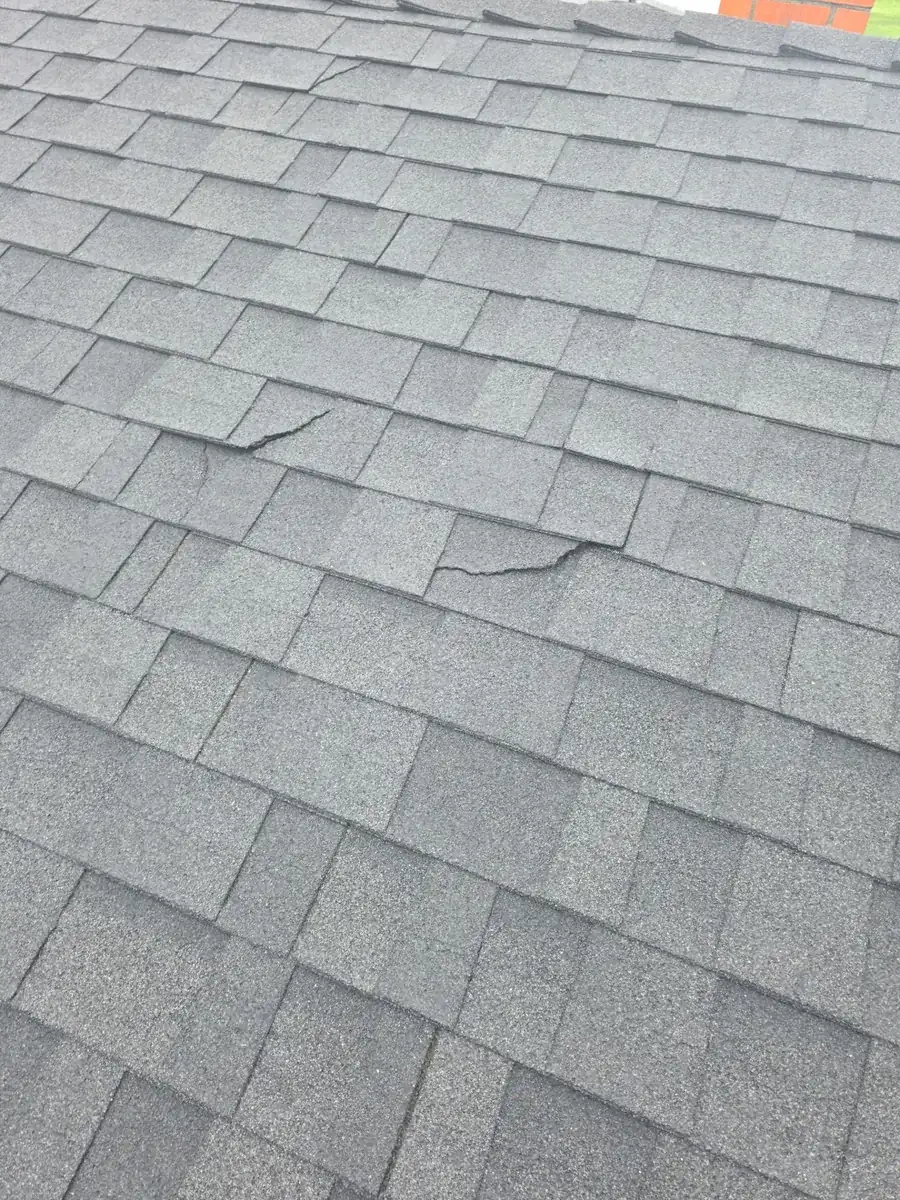
- 1990s-2000s tract homes: Architectural shingles installed at original build are now reaching the 22-30 year mark. Granule loss, pipe boot cracks, and valley flashing wear are common service triggers.
- 1990s tile: The tile is fine. Underlayment hits failure window at year 25-30. Plan for underlayment replacement within the next 5-10 years on most.
- 2000s+ new construction: Most still under manufacturer warranty. Annual maintenance plan suggested; first major service usually year 12-15.
6Turlock insurance & storm-damage resources
Insurance carriers handling Turlock homeowners' policies include State Farm, Allstate, Farmers, USAA, AAA, and the California FAIR Plan. We've worked storm-damage and insurance claims with all of them since 1996.
- What insurance typically covers: Sudden damage from named storms, wind events (gusts >50 mph), hail, falling branches/trees, and fire. Gradual wear, age-related failure, and improper installation are not covered.
- What it typically doesn't cover: Natural underlayment aging, shingle granule loss from UV exposure, or moss/algae buildup. These are maintenance issues.
- Documenting a Turlock storm claim: Photographic evidence dated to the storm event is key. Adjuster-grade records includes wide shots, panel-level closeups, debris/impact correlation, and a written scope of damage.
- California Department of Insurance: If your claim is denied or undervalued, file a complaint at the California Department of Insurance Consumer Hotline (1-800-927-4357).
- Turlock storm history: January 2017 atmospheric river (Stanislaus FEMA disaster zone), February 2019 wind storm (gusts to 65 mph), December 2022 cyclone bomb (sustained 45-50 mph for 12+ hours).
7Long-tail FAQ — specific Turlock questions
Do I need a Turlock building permit to replace my whole roof?
Yes. Any re-roof covering more than 100 sq ft (one roofing square) needs a permit through City of Turlock Building Division. Our team handles use, plan check, structural calcs (where applicable), and final inspection. Typical permit fee: $170-$395 for residential.
Is Turlock in a Wildland-Urban Interface (WUI) fire zone?
Portions are. Check the City of Turlock Building Division for specific WUI mapping in your area. Where it applies, Class A roofing is mandatory for all new and re-roof projects.
How much does a typical Turlock re-roof cost in 2026?
For a 25-square (2,500 sq ft) home: architectural asphalt shingle runs $15,000-$25,000 installed. Concrete tile runs $25,000-$37,500. Clay tile is $37,500-$62,500. Standing-seam metal is $30,000-$50,000.
Can I install solar on a tile roof in Turlock?
Yes. Tile-roof solar needs special tile-replacement mounting brackets that integrate with the tile profile. We coordinate the structural assessment, mounting hardware, and any tile replacement to keep both warranties intact. See our solar comparison guide.
What's the average lifespan of a Turlock roof?
Asphalt architectural shingle: 20-25 years. Concrete tile: 50-75 years (with one underlayment swap at 25-30). Clay tile: 75-100 years. Standing-seam metal: 50-70 years. Annual maintenance extends the upper end.
When is the best time of year to re-roof in Turlock?
April-May and September-October — mild heat, low rain probability, and adequate scheduling capacity. Summer is workable but needs earlier morning starts. Winter (Nov-Feb) is risky due to storm windows.
Are there any Turlock-area roofing rebates or tax credits?
Some, yes. The 30% federal Residential Clean Energy Credit ended for expenditures after December 31, 2025 — confirm current federal eligibility with your tax professional. California offers property tax exemption on solar additions through 2027. Cool-roof installs qualify for insurance discounts with most carriers.
How do I verify a Turlock roofing contractor's license?
Visit the California Contractor State License Board license check page. The CSLB shows license status, classification (must be C-39 for roofing), bond amount, workers' compensation coverage, and any disciplinary history. Econo Roofing: CSLB #749551.
8What we know about Turlock roofs.
Turlock sits in one of California’s most demanding roofing climates. Summer temperatures regularly exceed 100°F. UV exposure is strong most of the year. Winter brings tule fog, occasional storms, and dust that settles on every horizontal surface. Asphalt shingles age 20-30% faster here than in coastal regions. Tile underlayment service windows open at 25-30 years. Wood shake conversions to fire-rated alternatives are now standard. Each of these realities shapes our recommendations on every Turlock roofing project.
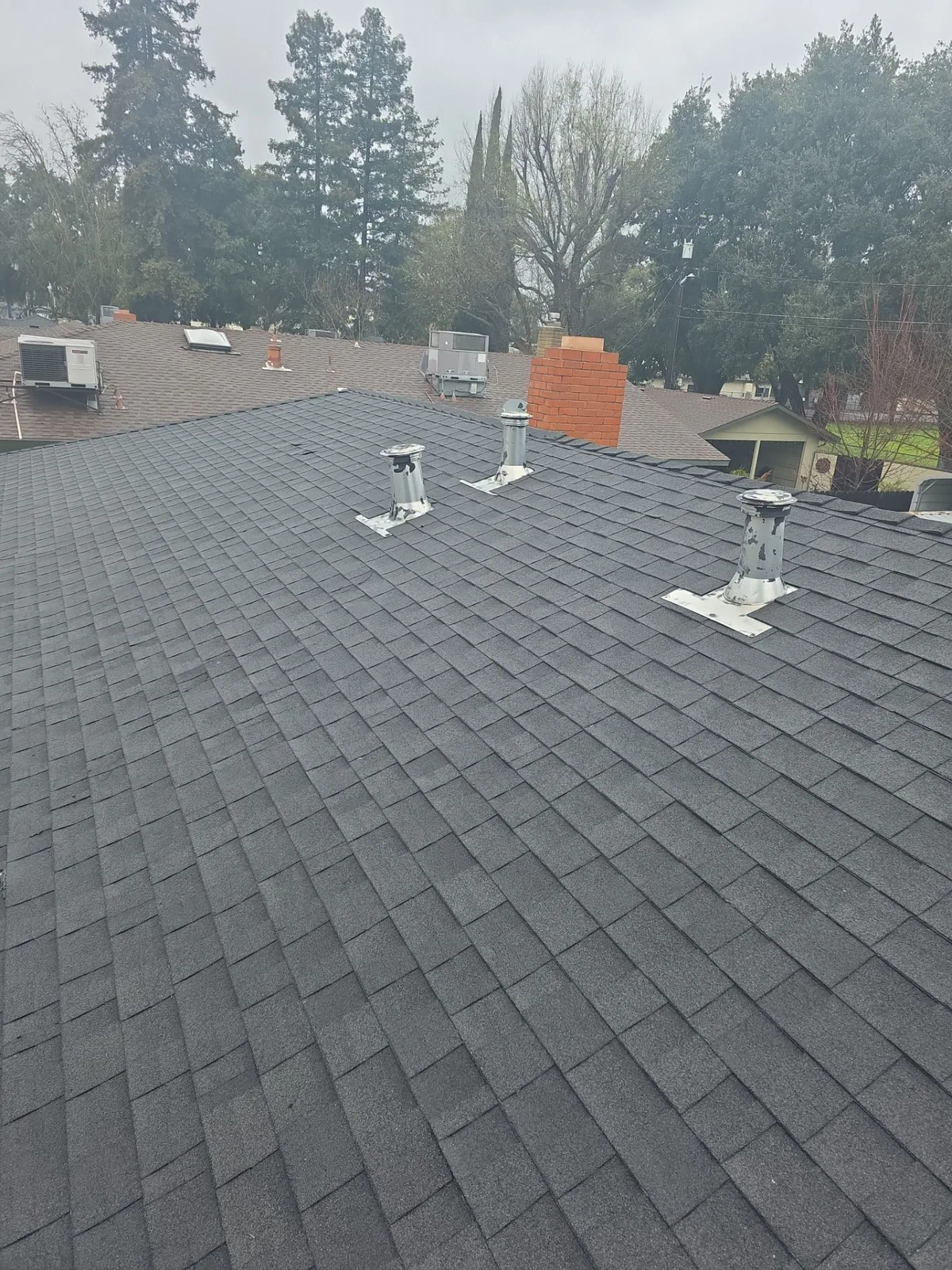
Our experience in Turlock runs three decades deep. Mario Espindola founded Econo Roofing in 1996 in Delhi, California — just minutes from Turlock. The company has grown to a 20-person crew. Same standards across every job. We’ve installed, repaired, and inspected thousands of roofs across Turlock and the broader Central Valley. We know the failure patterns: pipe boots that crack at year 8-10, lifted ridge caps after Pacific storms, valley flashing wear at year 15, and tile underlayment past its service window on 1990s Mediterranean builds.
The credentials matter because they unlock warranties homeowners can’t get elsewhere. Econo Roofing is the only locally based, quad-certified contractor based in Stanislaus and Merced Counties. We’re also GAF Master Elite (about 2% of roofers, per GAF), CertainTeed Select ShingleMaster (top 1% of the roofing profession, per CertainTeed), and GAF Gold Elite. No other roofing contractor based in Stanislaus and Merced Counties holds all four credentials. That means homeowners working with us can register manufacturer-backed warranties — OC Platinum Protection (lifetime, non-prorated for the first 25 years), GAF Golden Pledge (25-year workmanship), and CertainTeed 5-Star (50-year non-prorated material) — that simply aren’t available through uncertified roofers.
Turlock homeowners deserve roofing that lasts. License #749551, in business since 1996, fully insured ($1 million general liability, full workers comp), and verifiable at CSLB.ca.gov. We document every project with photos and written reports. Mario reviews each scope personally before the crew starts work. (209) 668-6222 connects you to the same family who’s been roofing the Central Valley for three decades.
