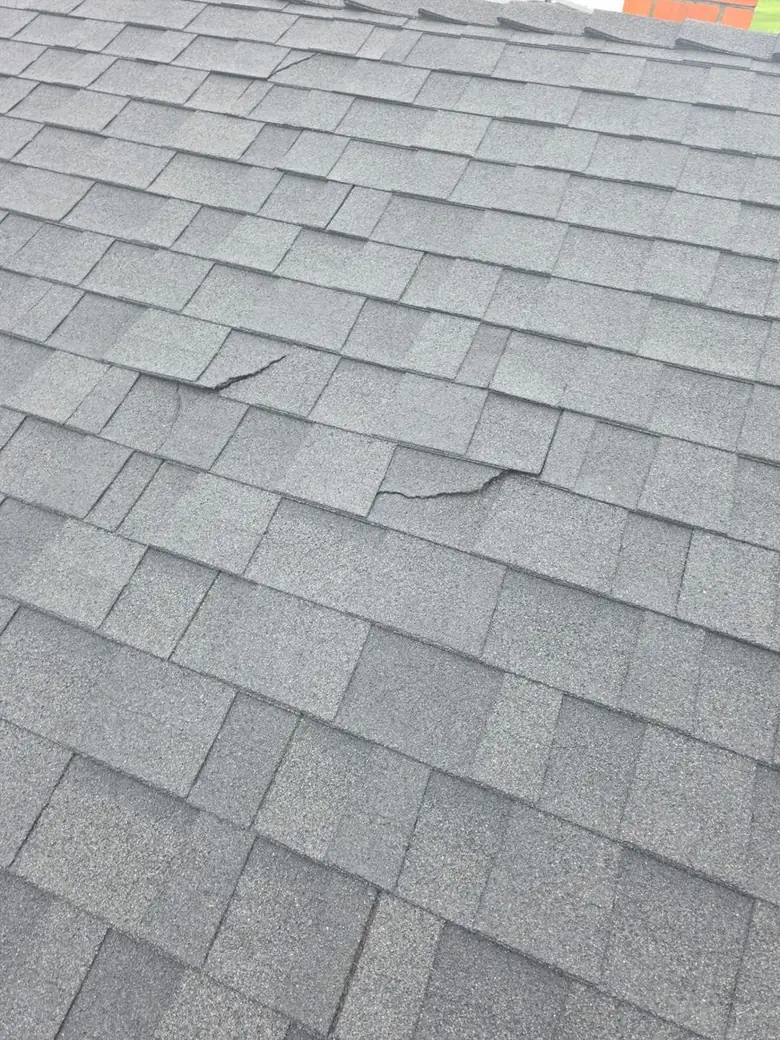
Storm Damage & Insurance Repair. We make it manageable.
From the first inspection to the final repair, we guide you through the storm damage and insurance process: with clear records, emergency response, and work you can trust.
Signs of storm damage to your roof.
Storm damage is not always obvious from the ground. After a recent storm, check for these indicators.
Shingles in your yard
Finding shingle pieces or tabs on the ground means wind damage has occurred.
Dents in metal vents or gutters
Hail large enough to dent metal has also damaged your shingles.
New ceiling stains after rain
Fresh water stains that appeared after a storm point to new damage.
Neighbors filing claims
If homes on your street sustained damage, yours likely did too. Get it inspected before your filing deadline.
Schedule a free storm damage estimate to document the damage before it worsens. Time-sensitive claims have filing deadlines that vary by carrier.
From damage to restored. We handle the process.
Damage Documentation
We perform a thorough inspection as soon as we can after the storm event. Every area of damage is photographed, measured, and documented in a format insurance companies accept and trust.
Insurance Claim Filing
We help you file your claim with the right records from day one. Proper records from day one are the single biggest factor in claim approval and payout amount.
Adjuster Coordination
We meet your insurance adjuster on site, walk the damage together, and ensure nothing is missed in their assessment. Our detailed records support your claim at every stage.
Repair or Replacement
Once your claim is approved, we schedule and complete the work. You pay only your deductible. We handle the rest directly with your insurance company.
Real Econo roofs.
Real Econo jobs — not stock photos.
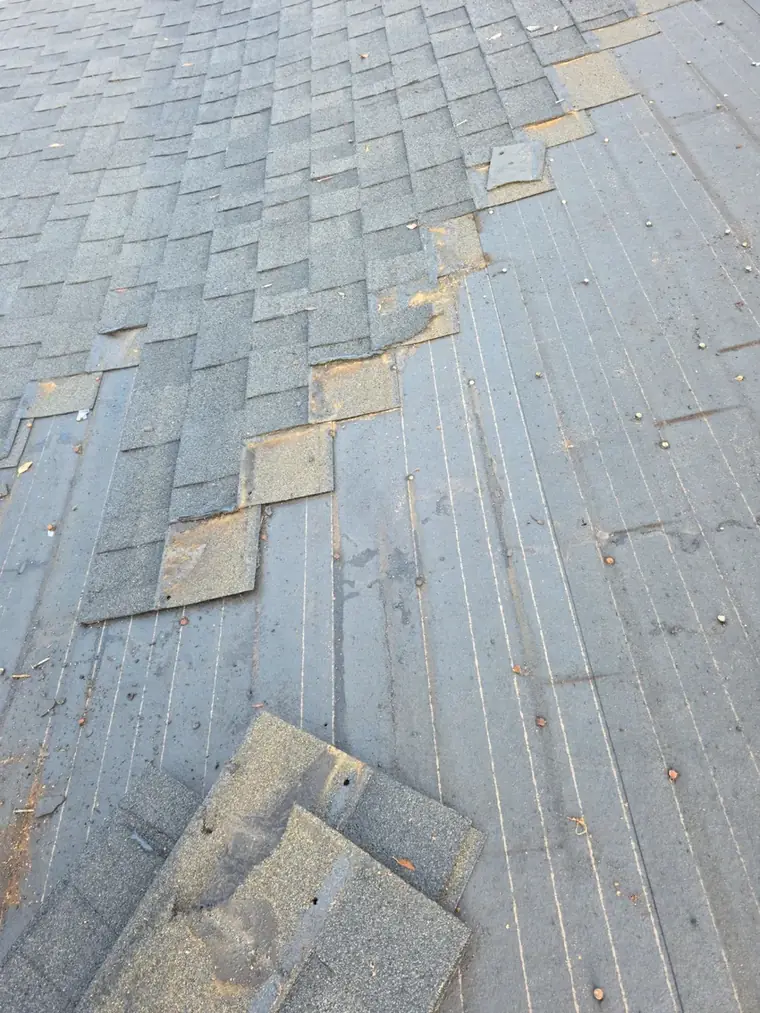
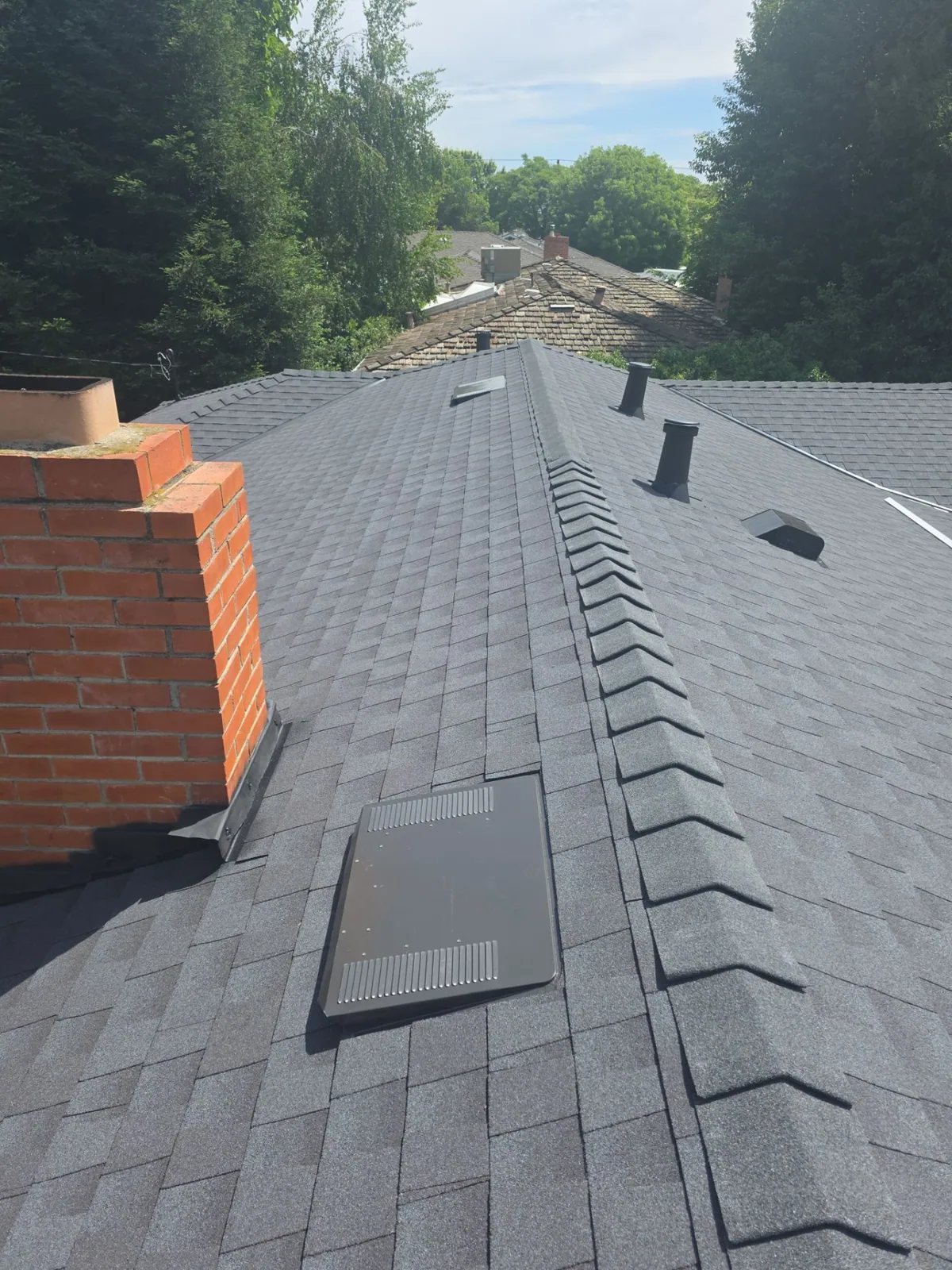
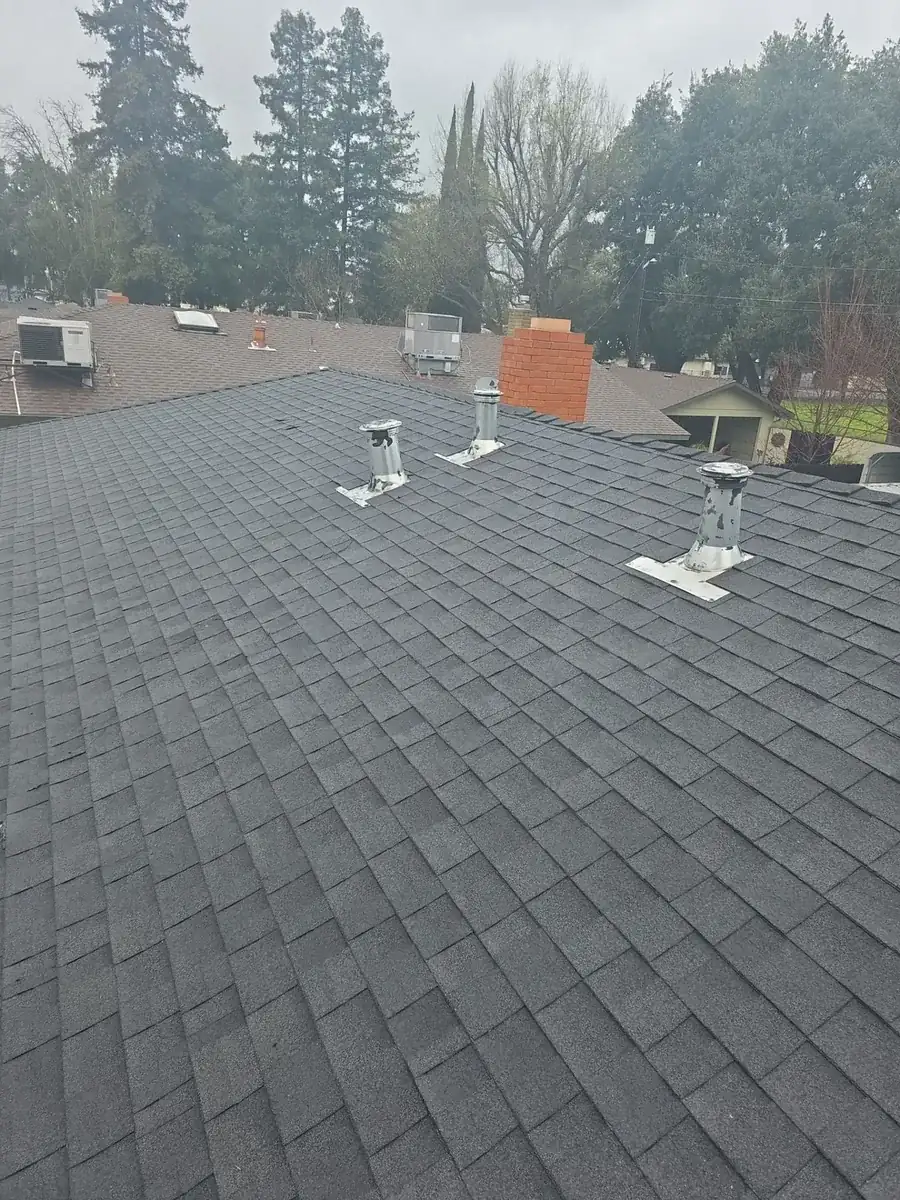
What to expect after the storm.
Insurance claims follow a predictable timeline. Here is what happens at each stage and how we support you through it.
- Day 1-2: Emergency Stabilization
- If your roof is actively leaking, we tarp and contain the damage right away. This is covered under most homeowner policies as an emergency mitigation expense.
- Day 3-7: Documentation & Claim Filing
- We complete a full damage assessment and help you file the claim with your insurance carrier. Early, thorough records are key for a smooth process.
- Week 2-4: Adjuster Visit
- The insurance adjuster inspects the damage. We meet them on site to walk the roof together and ensure every item in our report is reviewed and included in the adjuster's scope.
- Week 4-8: Repair or Replacement
- Once the claim is approved, we schedule the permanent work. Most storm damage repairs are completed within two to four weeks of claim approval.
Need emergency help right now? Call our emergency line. For non-storm repairs, visit our roof repair page.
We speak insurance.
Hundreds of Claims Processed
Over 30 years, we have worked with every major insurance carrier in California. We know what adjusters look for and how to document damage so claims are approved the first time.
No Out-of-Pocket Beyond Deductible
We work within your insurance company's approved scope. You pay your deductible and we handle the rest. No surprise bills after the work is done.
On-Site Adjuster Meetings
We attend the adjuster inspection with you. This is the most important meeting in the claim process and having a certified roofing professional present makes a measurable difference in outcomes.
Not sure if your damage qualifies for an insurance claim? Check our frequently asked questions about insurance coverage, or explore our residential roofing services if you need a full replacement after storm damage.
The full Central Valley roof insurance claim process.
From the first inspection to the final check, a Central Valley roof insurance claim moves through seven distinct stages. Skip a step or move out of order and your payout shrinks. Here's the sequence we use on more than a hundred claims a year, with deeper guidance for each stage.
Independent damage assessment
Get a licensed roofer on the roof before you call the carrier. You need an objective scope of damage so you can decide whether the claim is even worth opening, whether the damage clears your deductible, and what coverage type you'll be fighting for. We walk every plane, document every penetration, and give you a written scope — no claim opened until you say so.
Photo and video evidence package
Adjusters approve what they can see and document. Drone overheads, close-ups of bruised shingles, granule loss in gutters, interior staining patterns, and date-stamped weather logs all matter. Carriers reject vague claims; we build files that hold up. Our guide to documenting storm damage for an insurance claim walks through the exact shot list homeowners should capture before anyone touches the roof.
Open the claim & understand your coverage type
Before you file, know which coverage you carry. An ACV (Actual Cash Value) policy depreciates your roof every year and pays the depreciated number; an RCV (Replacement Cost Value) policy pays full replacement up to limits. The difference can be $8,000 on a typical Central Valley re-roof. Our breakdown of ACV vs RCV roof insurance coverage explains how to read your declarations page and what to ask before you file. Then call the carrier with your damage scope ready.
Adjuster meeting on the roof
The adjuster's site visit is where claims are won or lost. We meet them on-site, walk every damaged plane, and reference the exact shingle manufacturer specs and California building code requirements that drive the scope. Homeowners who attend (or have a contractor attend) close ~30% higher on average. See our walkthrough of how to handle a roof insurance adjuster meeting for the talking points and red flags to watch for.
Estimate, deductible math & payout schedule
Once the carrier issues their estimate, the math gets specific. You owe your deductible (usually a flat amount, commonly $1,000–$2,500; some policies use a percentage of dwelling coverage instead), the carrier withholds depreciation on ACV policies until work is complete, and you reconcile everything against the contractor's bid. Our explainer on California roof insurance deductibles shows how to read the loss sheet and where homeowners commonly get short-paid.
Repairs, code upgrades & supplements
Once approved, work begins. Code upgrades discovered during tear-off (newer underlayment standards, ventilation, ice-and-water shield) are billable as supplements — we document every change and submit them to the carrier in real time. Skipping supplements is the #1 way Central Valley homeowners leave money on the table after a claim is approved.
Final inspection, depreciation release & appeals
After completion, we submit final invoices and photo proofs so the carrier releases withheld depreciation (on RCV policies). If the original scope was short, we file a supplement; if the claim was denied outright, we move to appeal. Most denials are reversible with the right documentation — read what to do when your roof insurance claim is denied to see how Central Valley homeowners flip a "no" into a paid claim.
Related insurance claim guides.
Five deep-dives for Central Valley homeowners navigating a roof insurance claim.
- Roof insurance claim denied? What to do nextThe five most common denial reasons in California — and the appeal playbook that flips most of them.
- Photo evidence guide for roof storm damageThe exact shot list and metadata homeowners should capture before an adjuster ever visits the property.
- Working with your roof insurance adjusterWhat to say, what to show, and what to push back on during the on-site adjuster meeting.
- California roof insurance deductibles explainedHow deductibles are calculated in California, when filing makes sense, and how to read your loss sheet.
- ACV vs RCV: roof insurance coverage comparedActual Cash Value vs Replacement Cost Value — the policy difference that costs homeowners thousands.
Frequently asked questions
How do I know if my roof has storm damage?
Visible signs: missing or torn shingles, lifted edges, granule piles in gutters, dents on metal flashing, water stains on ceilings. Less visible: bruised shingles (felt under fingernail), cracked sealant at flashing, hairline cracks in tile. Most damage isn't obvious from the ground.
Will my insurance cover the damage?
If the cause was a sudden event (wind, hail, fallen tree, lightning), most California homeowner policies cover the repair or replacement minus deductible. Slow wear-and-tear damage isn't covered. The key is filing within the policy's claim window — usually 1 year from the event.
Should I file a claim before or after I get a quote?
Before. File the claim first, get the adjuster on-site, and let them inspect the damage. Filing after work is done can be denied because there's no way to verify pre-existing condition. We help walk you through the claim process at no cost.
Will filing a claim raise my premiums?
In California, filing a single claim for storm damage usually does not raise premiums — state regulations restrict this. Many claims in 3 years can. A non-claim repair (you pay out-of-pocket) doesn't affect insurance at all.
Can you meet with my insurance adjuster?
Yes — and we strongly suggest it. We've done hundreds of adjuster meetings. We document damage with drone photography, cite specific shingle manufacturer specs, and reference building code rules. Most claims close higher with a contractor present.
What if my claim is denied?
Denials are usually appealable. Common reasons: insufficient damage records, scope disagreement, or policy exclusions. We re-document with engineering-grade photos, provide a written scope, and resubmit. Roughly 70% of denied claims we appeal end up approved at second review.
Should I call my insurance company before getting a roof inspection?
No — get an independent inspection first so you know exactly what was damaged before you open a claim. Carriers log every reported claim, even ones you withdraw. With a documented scope in hand, you can make an informed decision about whether the damage actually exceeds your deductible and is worth filing. — Mario Espindola, Founder
Will filing a roof claim raise my homeowners insurance premium?
In California, a single weather-related claim usually does not raise your premium thanks to Prop 103 protections, but multiple claims within three years can. Non-weather claims are treated differently. We help homeowners weigh deductible vs. likely payout before filing so you don't open a claim that costs more long-term than it returns. — Mario Espindola, Founder
Can I switch from my insurance-recommended contractor to my own roofer?
Yes. Under California law, you choose the contractor — your insurance carrier cannot require you to use their preferred vendor. Recommended contractors often work to the carrier's scope rather than yours. Hiring an independent licensed roofer like Econo gives you a contractor whose only obligation is to you and the proper repair. — Mario Espindola, Founder
How quickly can you respond to emergency storm damage?
We offer priority emergency response for active leaks and storm damage — if your roof is actively leaking, we tarp and contain the damage right away to prevent further harm while permanent repairs are scheduled. For a full damage assessment, we perform a thorough inspection as soon as we can after the storm event. Call our emergency line at (209) 668-6222.
Everything to know about storm damage & insurance roofing.
When to call us for storm damage & insurance roofing.
California storms — especially winter wind events and rare-but-real hail — can damage roofs in ways that homeowners insurance usually covers. Signs of storm damage include lifted or missing shingles, granule loss in concentrated areas (often visible from ground level), bent or missing flashing, dented gutters, and water staining on interior ceilings. After a storm event, document everything with photos before any cleanup or repair work begins.
Storm Damage & Insurance Roofing materials & systems we install.
Insurance-claim repairs usually replace damaged sections with materials matching the original system. We work with all major California insurance carriers (State Farm, Allstate, Farmers, Liberty Mutual, AAA, Mercury, USAA, etc.) and understand the records rules each carrier expects. Materials used for insurance repairs usually match or upgrade the original (Class 4 impact-rated upgrade is often discount-eligible).
What to expect — our storm damage & insurance roofing process.
Step 1. Document storm damage with photos and call your insurance company to file a claim. Step 2. We provide a free estimate and a detailed scope-of-work that adjusters can review. Step 3. We meet with the adjuster on-site to walk the damage. Step 4. Once approved, we install. You pay only your deductible.
Storm Damage & Insurance Roofing cost in California.
With proper records and a covered claim, you usually pay only your deductible (commonly $1,000-$2,500) regardless of total project size. We help boost legitimate claim coverage by ensuring all damage is documented (sometimes adjusters miss collateral damage on first inspection). Class 4 impact-rated upgrades during insurance repair often pay for themselves in reduced future premiums (5-30% discount depending on carrier).
Why Central Valley homeowners choose Econo
The biggest difference between us and most other storm damage and insurance contractors comes down to certification. Most local roofers can install the materials. Few can register the warranties that protect those installations for 25-50 years. As OC Platinum Preferred contractors — the top tier of the Owens Corning contractor network — we register Platinum Protection warranties (lifetime, non-prorated for the first 25 years) that cover both materials and workmanship. As GAF Master Elite contractors — about 2% of roofers in North America, per GAF — we register Golden Pledge warranties that cover 50 years of materials plus 25 years of workmanship. As CertainTeed Select ShingleMaster contractors, we register 5-Star Protection warranties that include 25 years of SureStart manufacturer-backed workmanship coverage. None of these are available through uncertified contractors.
The certifications are earned through years of training, install audits, and customer satisfaction tracking. Each manufacturer maintains the certification only if our install quality and review scores stay above their thresholds. We hold OC Platinum Preferred, GAF Master Elite, and CertainTeed Select ShingleMaster certification — maintained continuously. The audits matter because they keep us honest. We can’t cut corners on material grade, install method, or finish quality — the manufacturers track every job we register.
The crew matters as much as the certifications. Our storm damage and insurance crews are W-2 employees of Econo Roofing, not subcontractors. Each crew member completes annual factory training from GAF, Owens Corning, and CertainTeed. We invest in training because the difference between a 25-year roof and a 35-year roof comes down to install detail. Proper underlayment lap. Correct nail placement and depth. Sealed flashing. Adequate attic ventilation. None of these require special tools — just trained, supervised installers who care about the work. Mario Espindola personally reviews every project scope before work begins and walks the finished roof before the crew leaves.
We also stand by our work financially. We carry $1 million general liability insurance and full workers comp coverage. We’re bonded ($25,000 CSLB contractor bond). License #749551, verifiable at CSLB.ca.gov. We’re family-owned and operated since 1996 — same family, same standards, deep roots in the Central Valley. We’re not going anywhere. If something goes wrong with your storm damage and insurance project — even years later — we’re here to make it right. That permanence matters when you’re investing in 30-50 years of weatherproofing.
Pricing is flat-rate. We quote the project, you approve the project, and that’s the price. No change orders mid-project unless you change the scope. No surprise charges. No upselling once the crew is on the roof. Free written estimates with no obligation, available across all the Central Valley cities we serve. (209) 668-6222 connects you with the same team that has been doing this work since 1996; founded by Mario Espindola who brings 41 years of personal roofing experience.
Read before you decide.
- Heat Damage To Roofs
- Storm Damage Insurance Claims GuideStep-by-step guide to filing a roof insurance claim.
- Roofing Financing OptionsPersonal loans, PACE programs, and contractor financing.
- Roof Leaking During Rain? What to Do Right NowStep-by-step emergency response for active roof leaks.
- Prepare Your Roof for Winter StormsFall checklist to protect your roof before rain season.
- Fall Prep Checklist— our detailed guide covers everything you need to know.
- Complete Guide to Roofing in Central Valley— everything you need to know about roofing in this climate.
Services that work with this one.
- Emergency Roof RepairImmediate response for storm-damaged roofs.
- Free Roof EstimateDocument damage with a professional assessment.
- Roof ReplacementInsurance-covered full replacements.
- Roof RepairTargeted storm damage repairs.
Where we work in the Central Valley
We serve Central Valley cities across Stanislaus & Merced counties from our Delhi headquarters.
Talk to Mario’s team in 30 seconds.
No pressure, no obligation. Free written estimate. Priority response for active leaks. We confirm every appointment within one business day.
Open 9am–5pm Mon–Fri, 9am–12pm Sat.
Or call (209) 668-6222 · License #749551 · OC Platinum Preferred · Get instant quote